
Lords division · 16 Mar 2016 · No. 2
Trade Union Bill
Lord Burns moved amendment 9, in clause 10, page 6, to leave out lines 5 to 42 and insert: “(1) A person who, after the transition period, joins a trade union that has a political fund at the time the person joins shall, on the trade union membership form (whether paper or electronic), be asked whether or not the person wishes to contribute to the political fund, and informed that the decision shall not affect any other aspects of the person’s membership. (2) It shall be unlawful to require a person who joins a trade union after the transition period to make a contribution to any political fund of that trade union if the person has not given to the trade union notice: (a) on the membership form (whether paper or electronic), or (b) in accordance with subsection (6), of the person’s willingness to contribute to that fund. (3) It shall be unlawful for any trade union which does not have in force a political resolution under section 73 (political resolution) at the end of the transition period, but which subsequently passes a political resolution under that section, to require a member of the trade union to make a contribution to the political fund if the member has not given notice to the trade union in accordance with subsection (6) of the member’s willingness to contribute to that fund. (4) A member of a trade union who contributes to a political fund but wishes to cease contributing to that political fund shall give notice to that effect to the trade union in accordance with subsection (6). (5) A member of a trade union who gives notice under subsection (4) shall, after the end of the period of one month beginning with the day on which it is given, no longer be required to contribute to the political fund. (6) Notice under subsection (2), (3) or (4) may be given to a trade union by being delivered: (a) to the head office of the trade union, or (b) to a branch office of the trade union, in person, by any authorised agent, by post, or by electronic means. (7) The Certification Officer shall, within six months of section 10 of the Trade Union Act 2016 coming into force, issue a code of practice which must set out the minimum level of communications which trade unions with political funds must have every year with political fund contributors about their right to cease contributing to the political fund. (8) The Certification Officer must monitor the compliance of trade unions with political funds with the code of practice issued under subsection (7), and shall in their annual report under section 258 (annual report and accounts) set out their findings. (9) In this Act “contributor”, in relation to the political fund of a trade union, means a member who makes a contribution to the political fund and has not given notice to the trade union under subsection (4). (10) In this section “the transition period” means the period to be specified by the Secretary of State in regulations made by statutory instrument following consultation with the Certification Officer and all trade unions which have a political fund. (11) The period to be specified by the Secretary of State under subsection (10) shall be no less than 12 months, and shall start on the day on which section 10 of the Trade Union Act 2016 comes into force. (12) A statutory instrument containing regulations under subsection (10) may not be made unless a draft of the instrument has been laid before, and approved by a resolution of, each House of Parliament.” The House divided:
The Contents have it
Majority 148
At a glance The Contents won by a margin of 148 votes. The Government's position was Not Content, and it lost.
How the parties voted
Contents
| Labour | 171 |
| Liberal Democrat | 70 |
| Crossbench | 50 |
| Non-affiliated | 19 |
| Conservative | 4 |
| Democratic Unionist Party | 2 |
| Green Party | 1 |
| Independent Labour | 1 |
| Ulster Unionist Party | 1 |
| Plaid Cymru | 1 |
Not Contents
| Conservative | 154 |
| Crossbench | 9 |
| Non-affiliated | 8 |
| Independent Ulster Unionist | 1 |
The party breakdowns are our own analysis of the official voting records (recorded votes only; they do not describe the formal whip). How we work this out.
Peers attend divisions ad hoc, so there is no did-not-vote list. Tellers are counted in the Content and Not Content totals, unlike in the Commons.
Tellers: Lord Burns (Content), Lord Tunnicliffe (Content), Lord Gardiner of Kimble (Not Content), Lord Taylor of Holbeach (Not Content).
Every vote
No members match your search.
Contents (318)
 Lord BalfeConservative
 Lord CormackConservative
 Baroness ManzoorConservative
 Baroness Nicholson of WinterbourneConservative
 Lord AberdareCrossbench
 Lord Alton of LiverpoolCrossbench
 Lord Armstrong of IlminsterCrossbench
 Lord Berkeley of KnightonCrossbench
 Lord BestCrossbench
 Lord BichardCrossbench
 Baroness BoothroydCrossbench
 Lord Brown of Eaton-under-HeywoodCrossbench
 Viscount CraigavonCrossbench
 Lord DykesCrossbench
 The Earl of ErrollCrossbench
 Viscount FalklandCrossbench
 Baroness Falkner of MargravineCrossbench
 Lord FellowesCrossbench
 Lord FreybergCrossbench
 Baroness FritchieCrossbench
 Lord GreenwayCrossbench
 Baroness Grey-ThompsonCrossbench
 Lord HameedCrossbench
 Lord Hannay of ChiswickCrossbench
 Lord Harries of PentregarthCrossbench
 Lord HaskinsCrossbench
 Baroness HaymanCrossbench
 Lord Hope of CraigheadCrossbench
 Baroness Howe of IdlicoteCrossbench
 Lord JudgeCrossbench
 Lord Kerr of KinlochardCrossbench
 Lord KerslakeCrossbench
 Lord KilclooneyCrossbench
 The Earl of KinnoullCrossbench
 The Earl of ListowelCrossbench
 Lord Low of DalstonCrossbench
 The Countess of MarCrossbench
 Lord MawsonCrossbench
 Lord McFall of AlcluithCrossbench
 Baroness O'LoanCrossbench
 Baroness O'Neill of BengarveCrossbench
 Lord OuseleyCrossbench
Lord PannickCrossbench
 Lord PatelCrossbench
 Lord Rees of LudlowCrossbench
 The Earl of SandwichCrossbench
 Lord Scott of FoscoteCrossbench
 Lord St John of BletsoCrossbench
 Lord TurnbullCrossbench
 Lord Walker of GestingthorpeCrossbench
 Lord WarnerCrossbench
 Baroness Watkins of TavistockCrossbench
 Lord WoolfCrossbench
 Lord Browne of BelmontDemocratic Unionist Party
 Lord MorrowDemocratic Unionist Party
 Baroness Jones of MoulsecoombGreen Party
 Lord Stoddart of SwindonIndependent Labour
Baroness Adams of CraigieleaLabour
 Lord AdonisLabour
 Lord Allen of KensingtonLabour
Lord AlliLabour
 Lord Anderson of SwanseaLabour
 Baroness AndrewsLabour
 Baroness Armstrong of Hill TopLabour
 Lord BachLabour
Baroness BakewellLabour
 Lord Bassam of BrightonLabour
 Lord BeechamLabour
 Lord BerkeleyLabour
 Lord BhattacharyyaLabour
 Baroness BillinghamLabour
 Baroness BlackstoneLabour
 Lord BlunkettLabour
 Lord BoatengLabour
 Lord BradleyLabour
 Lord BraggLabour
 Lord Brooke of AlverthorpeLabour
 Lord BrookmanLabour
 Lord Campbell-SavoursLabour
 Viscount ChandosLabour
Lord ChristopherLabour
 Lord Clark of WindermereLabour
 Lord Clarke of HampsteadLabour
 Lord Collins of HighburyLabour
 Baroness CorstonLabour
 Baroness CrawleyLabour
 Lord Cunningham of FellingLabour
 Lord Darling of RoulanishLabour
 Lord Davidson of Glen ClovaLabour
 Lord Davies of OldhamLabour
 Lord Davies of StamfordLabour
 Baroness Dean of Thornton-le-FyldeLabour
 Baroness DonaghyLabour
 Lord DonoughueLabour
 Baroness DrakeLabour
 Lord DraysonLabour
 Lord DubsLabour
 Lord ElderLabour
 Lord Evans of Temple GuitingLabour
 Lord Falconer of ThorotonLabour
 Baroness Farrington of RibbletonLabour
 Lord Faulkner of WorcesterLabour
 Lord Foster of Bishop AucklandLabour
 Lord Foulkes of CumnockLabour
 Baroness GaleLabour
Lord GiddensLabour
 Lord GlasmanLabour
 Baroness GoldingLabour
 Lord Gordon of StrathblaneLabour
 Baroness Gould of PotternewtonLabour
 Lord GrantchesterLabour
 Lord Griffiths of Burry PortLabour
 Lord GrocottLabour
 Lord Harris of HaringeyLabour
 Lord HarrisonLabour
 Lord Hart of ChiltonLabour
 Lord HaskelLabour
 Lord HaugheyLabour
 Lord HaworthLabour
 Baroness Hayter of Kentish TownLabour
 Baroness Healy of Primrose HillLabour
 Baroness HenigLabour
 Baroness Hilton of EggardonLabour
 Baroness Hollis of HeighamLabour
 Lord Howarth of NewportLabour
 Baroness Howells of St DavidsLabour
 Lord Howie of TroonLabour
 Lord HoyleLabour
 Lord Hughes of WoodsideLabour
 Lord Hunt of ChestertonLabour
 Lord Hunt of Kings HeathLabour
Lord Hutton of FurnessLabour
 Lord Irvine of LairgLabour
 Baroness Jay of PaddingtonLabour
 Baroness Jones of WhitchurchLabour
 Lord JonesLabour
 Lord JordanLabour
 Baroness JowellLabour
 Lord JuddLabour
 Baroness Kennedy of CradleyLabour
 Lord Kennedy of SouthwarkLabour
 Baroness Kennedy of The ShawsLabour
Lord KestenbaumLabour
 Baroness King of BowLabour
 Baroness Kinnock of HolyheadLabour
Lord KinnockLabour
 Lord KirkhillLabour
 Lord Knight of WeymouthLabour
 Baroness Lawrence of ClarendonLabour
 Lord LennieLabour
 Lord LevyLabour
 Baroness Liddell of CoatdykeLabour
 Lord LiddleLabour
 Lord LipseyLabour
 Baroness Lister of BurtersettLabour
Lord LivermoreLabour
 Lord Macdonald of TradestonLabour
 Lord MacKenzie of CulkeinLabour
 Baroness Massey of DarwenLabour
 Lord MaxtonLabour
 Lord McAvoyLabour
 Lord McConnell of GlenscorrodaleLabour
 Baroness McDonaghLabour
 Baroness McIntosh of HudnallLabour
 Lord McKenzie of LutonLabour
Lord MendelsohnLabour
 Lord MitchellLabour
 Lord MonksLabour
 Baroness Morgan of DrefelinLabour
Baroness Morgan of ElyLabour
 Baroness Morgan of HuytonLabour
 Lord MorganLabour
 Lord Morris of AberavonLabour
 Lord Morris of HandsworthLabour
 Baroness Morris of YardleyLabour
 Lord Murphy of TorfaenLabour
 Baroness NyeLabour
 Lord O'Neill of ClackmannanLabour
 Lord PendryLabour
 Baroness PitkeathleyLabour
 Lord Plant of HighfieldLabour
 Lord PrescottLabour
 Baroness PrimaroloLabour
 Baroness ProsserLabour
 Lord PuttnamLabour
 Baroness QuinLabour
 Lord RadiceLabour
 Baroness Ramsay of CartvaleLabour
 Baroness RebuckLabour
 Lord Reid of CardowanLabour
 Lord RichardLabour
 Lord Rogers of RiversideLabour
 Lord RookerLabour
 Lord RosserLabour
Lord RowlandsLabour
 Lord SawyerLabour
 Baroness SherlockLabour
 Viscount SimonLabour
 Baroness Smith of BasildonLabour
 Lord Smith of FinsburyLabour
 Baroness Smith of GilmorehillLabour
 Lord Smith of LeighLabour
 Lord SnapeLabour
 Lord SoleyLabour
 Lord Stevenson of BalmacaraLabour
 Baroness Symons of Vernham DeanLabour
 Lord Taylor of BlackburnLabour
 Baroness Taylor of BoltonLabour
 Lord Temple-MorrisLabour
 Baroness ThorntonLabour
 Lord TomlinsonLabour
 Lord TouhigLabour
 Lord TriesmanLabour
 Lord TurnbergLabour
 Baroness Wall of New BarnetLabour
 Baroness Warwick of UndercliffeLabour
 Lord Watson of InvergowrieLabour
 Lord WattsLabour
 Lord West of SpitheadLabour
 Baroness WheelerLabour
 Baroness WhitakerLabour
 Lord WhittyLabour
 Lord Williams of ElvelLabour
 Lord WillsLabour
 Lord Wood of AnfieldLabour
 Lord Woolmer of LeedsLabour
 Lord Young of Norwood GreenLabour
 Lord AddingtonLiberal Democrat
 Lord Ashdown of Norton-sub-HamdonLiberal Democrat
 Baroness Bakewell of Hardington MandevilleLiberal Democrat
 Baroness BarkerLiberal Democrat
 Lord BeithLiberal Democrat
Baroness Bonham-Carter of YarnburyLiberal Democrat
 Baroness BrintonLiberal Democrat
Lord BurnettLiberal Democrat
 Baroness Burt of SolihullLiberal Democrat
 Lord Campbell of PittenweemLiberal Democrat
 Lord Clement-JonesLiberal Democrat
 Lord CotterLiberal Democrat
 Lord DholakiaLiberal Democrat
 Baroness DooceyLiberal Democrat
 Baroness FeatherstoneLiberal Democrat
 Lord Foster of BathLiberal Democrat
 Baroness Garden of FrognalLiberal Democrat
 Lord GermanLiberal Democrat
 The Earl of GlasgowLiberal Democrat
 Lord Goddard of StockportLiberal Democrat
 Lord GreavesLiberal Democrat
 Baroness GrenderLiberal Democrat
 Baroness HamweeLiberal Democrat
 Baroness Harris of RichmondLiberal Democrat
 Baroness HumphreysLiberal Democrat
 Lord HussainLiberal Democrat
 Baroness Hussein-EceLiberal Democrat
 Baroness JankeLiberal Democrat
 Baroness JollyLiberal Democrat
 Lord Jones of CheltenhamLiberal Democrat
 Lord Kirkwood of KirkhopeLiberal Democrat
 Baroness KramerLiberal Democrat
 Lord Lee of TraffordLiberal Democrat
 Baroness LudfordLiberal Democrat
 Lord Maclennan of RogartLiberal Democrat
 Baroness MaddockLiberal Democrat
 Lord Marks of Henley-on-ThamesLiberal Democrat
 Lord McNallyLiberal Democrat
 Baroness Miller of Chilthorne DomerLiberal Democrat
 Lord NewbyLiberal Democrat
 Lord Palmer of Childs HillLiberal Democrat
 Baroness ParminterLiberal Democrat
 Lord Purvis of TweedLiberal Democrat
Lord RazzallLiberal Democrat
 Lord RennardLiberal Democrat
 Lord Roberts of LlandudnoLiberal Democrat
 Lord Rodgers of Quarry BankLiberal Democrat
 Baroness Scott of Needham MarketLiberal Democrat
 Lord ScrivenLiberal Democrat
 Lord SharkeyLiberal Democrat
 Baroness Sharp of GuildfordLiberal Democrat
 Baroness SheehanLiberal Democrat
 Lord ShipleyLiberal Democrat
 Lord Shutt of GreetlandLiberal Democrat
 Baroness Smith of NewnhamLiberal Democrat
Lord StephenLiberal Democrat
 Lord Stoneham of DroxfordLiberal Democrat
 Lord StoreyLiberal Democrat
 Lord StrasburgerLiberal Democrat
 Baroness SuttieLiberal Democrat
 Lord TaverneLiberal Democrat
 Lord Taylor of Goss MoorLiberal Democrat
 Lord TeversonLiberal Democrat
 Baroness Thomas of WinchesterLiberal Democrat
 Lord TopeLiberal Democrat
 Baroness Tyler of EnfieldLiberal Democrat
 Lord TylerLiberal Democrat
 Lord Wallace of SaltaireLiberal Democrat
 Lord Wallace of TankernessLiberal Democrat
 Lord Willis of KnaresboroughLiberal Democrat
 Lord AhmedNon-affiliated
 Lord Allan of HallamNon-affiliated
Lord BrennanNon-affiliated
 Lord CashmanNon-affiliated
 Lord Elis-ThomasNon-affiliated
 Lord Lea of CrondallNon-affiliated
 Lord Lester of Herne HillNon-affiliated
 Lord Mackenzie of FramwellgateNon-affiliated
 Lord MandelsonNon-affiliated
 Lord MoonieNon-affiliated
 Lord PaddickNon-affiliated
 Lord Patel of BradfordNon-affiliated
 Lord Ponsonby of ShulbredeNon-affiliated
 Lord RedesdaleNon-affiliated
 Lord Steel of AikwoodNon-affiliated
 Lord Stone of BlackheathNon-affiliated
 Baroness TongeNon-affiliated
 Lord TruscottNon-affiliated
 Baroness Young of Old SconeNon-affiliated
Lord WigleyPlaid Cymru
 Lord RoganUlster Unionist Party
Not Contents (170)
 Lord Ahmad of WimbledonConservative
 Lord Arbuthnot of EdromConservative
 Lord Astor of HeverConservative
 Earl AttleeConservative
 Lord Baker of DorkingConservative
 Lord Barker of BattleConservative
 Lord BatesConservative
 Lord BlencathraConservative
 Lord BorwickConservative
 Lord Bourne of AberystwythConservative
 Lord Brabazon of TaraConservative
 Viscount BridgemanConservative
 Lord Bridges of HeadleyConservative
 Lord Brougham and VauxConservative
 Baroness BrowningConservative
 Baroness BuscombeConservative
 Baroness ByfordConservative
 The Earl of CaithnessConservative
 Lord CallananConservative
 Lord Carrington of FulhamConservative
 Earl CathcartConservative
 Lord Cavendish of FurnessConservative
 Lord ChadlingtonConservative
 Lord ColwynConservative
 Lord Cope of BerkeleyConservative
 The Earl of CourtownConservative
 Lord CrickhowellConservative
 Lord De MauleyConservative
 Lord DenhamConservative
 Lord Dixon-SmithConservative
 Lord DobbsConservative
 The Earl of DundeeConservative
 Lord DunlopConservative
 Baroness Eccles of MoultonConservative
 Viscount EcclesConservative
 Lord EltonConservative
 Baroness Evans of Bowes ParkConservative
 Lord Fairfax of CameronConservative
 Baroness FallConservative
 Baroness FinnConservative
 Lord FlightConservative
 Baroness FookesConservative
 Lord FramlinghamConservative
 Lord FreemanConservative
 Lord FreudConservative
 Baroness Gardner of ParkesConservative
 Lord Garel-JonesConservative
 Lord GeddesConservative
 Lord Gilbert of PantegConservative
 Lord GlentoranConservative
 Lord GoldConservative
 Lord GoodladConservative
 Viscount GoschenConservative
 Viscount HailshamConservative
 Baroness Harding of WinscombeConservative
 Lord HaywardConservative
 Lord HenleyConservative
 Baroness Heyhoe FlintConservative
 Lord HigginsConservative
 Lord Holmes of RichmondConservative
 Baroness HooperConservative
 Lord HoramConservative
 Lord Howard of LympneConservative
Lord Howard of RisingConservative
 Earl HoweConservative
 Lord Hunt of WirralConservative
 Lord James of BlackheathConservative
 Baroness Jenkin of KenningtonConservative
Lord JoplingConservative
 Lord Keen of ElieConservative
Lord KirkhamConservative
 Lord Lamont of LerwickConservative
 Lord LansleyConservative
 Lord Leach of FairfordConservative
 Lord Leigh of HurleyConservative
 Lord LexdenConservative
 The Earl of LindsayConservative
 Lord LingfieldConservative
 The Marquess of LothianConservative
 Lord LyellConservative
 Lord MacGregor of Pulham MarketConservative
 Lord Mackay of ClashfernConservative
Lord Magan of CastletownConservative
 Lord MancroftConservative
 Lord MarlesfordConservative
 Lord Maude of HorshamConservative
 Lord MawhinneyConservative
 Lord McColl of DulwichConservative
 Baroness McIntosh of PickeringConservative
 Baroness MobarikConservative
 The Duke of MontroseConservative
 Lord Moore of Lower MarshConservative
 Baroness Morris of BoltonConservative
 Lord MoynihanConservative
 Lord NasebyConservative
Lord NashConservative
 Baroness Neville-JonesConservative
 Baroness Neville-RolfeConservative
 Baroness NewloveConservative
Baroness NoakesConservative
 Lord Norton of LouthConservative
 Lord O'ShaughnessyConservative
 Baroness Oppenheim-BarnesConservative
 Lord PalumboConservative
Lord PattenConservative
 Baroness Perry of SouthwarkConservative
 Baroness PiddingConservative
 Lord PlumbConservative
 Lord PolakConservative
 Lord Porter of SpaldingConservative
 Lord Prior of BramptonConservative
Baroness RawlingsConservative
 Baroness RedfernConservative
 Lord Renfrew of KaimsthornConservative
 Lord RibeiroConservative
 Viscount RidleyConservative
 Lord RisbyConservative
 Lord RobathanConservative
 Baroness RockConservative
 Lord Ryder of WensumConservative
 Lord Sanderson of BowdenConservative
 Baroness Scott of BybrookConservative
 Baroness SeccombeConservative
 Lord Selkirk of DouglasConservative
Lord SelsdonConservative
 Lord SheikhConservative
 Lord Sherbourne of DidsburyConservative
 Baroness ShieldsConservative
 Lord ShinkwinConservative
 Lord SkelmersdaleConservative
 Lord Smith of HindheadConservative
 Lord SpicerConservative
 Baroness Stedman-ScottConservative
 Lord Sterling of PlaistowConservative
 Baroness Stowell of BeestonConservative
 Lord StrathclydeConservative
Baroness StroudConservative
 Lord SuriConservative
 Lord TanlawConservative
 Lord TebbitConservative
 Lord TrefgarneConservative
 Viscount TrenchardConservative
 Lord TrimbleConservative
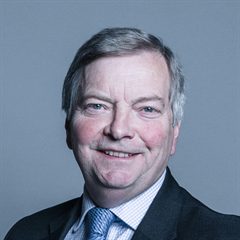 Lord TrueConservative
 Lord TugendhatConservative
 Lord WeiConservative
Lord WhitbyConservative
 Baroness WilcoxConservative
 Lord WillettsConservative
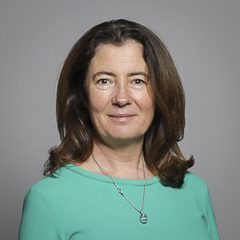 Baroness Williams of TraffordConservative
 Lord Young of CookhamConservative
 Viscount Younger of LeckieConservative
 Lord Ashton of HydeCrossbench
 Lord FowlerCrossbench
 Lord InglewoodCrossbench
 Lord Livingston of ParkheadCrossbench
 Baroness Masham of IltonCrossbench
 Lord O'Neill of GatleyCrossbench
 Lord Powell of BayswaterCrossbench
 Lord StirrupCrossbench
 Baroness WheatcroftCrossbench
Lord Maginnis of DrumglassIndependent Ulster Unionist
 Baroness AltmannNon-affiliated
 Baroness Chisholm of OwlpenNon-affiliated
Lord Cooper of WindrushNon-affiliated
 Lord FaulksNon-affiliated
 Lord LuptonNon-affiliated
 Baroness McGregor-SmithNon-affiliated
 The Earl of SelborneNon-affiliated
 Lord WassermanNon-affiliated
Tellers (4)
 Lord BurnsCrossbench
 Lord TunnicliffeLabour
 Lord Gardiner of KimbleConservative
 Lord Taylor of HolbeachConservative
Source: the official Lords division record.