
Lords division · 9 Feb 2011 · No. 1
Parliamentary Voting System and Constituencies Bill
Lord Pannick moved amendment 22D, in clause 11, page 10, line 37, at end to insert: “Exceptional circumstances 5A If, but only if, a Boundary Commission is satisfied that: (a) it is necessary to do so in order to achieve a viable constituency, and (b) such necessity arises from special geographical considerations or local ties, as defined in rule 5(1)(a) or (d) above, of an exceptionally compelling nature, the Boundary Commission may decide that the electorate of the constituency shall be: (c) no less than 92.5% of the United Kingdom electoral quota; and (d) no more than 107.5% of that quota.”. The House divided:
The Contents have it
Majority 18
At a glance The Contents won by a margin of 18 votes. The Government's position was Not Content, and it lost.
How the parties voted
Contents
| Labour | 175 |
| Crossbench | 82 |
| Non-affiliated | 12 |
| Bishops | 3 |
| Ulster Unionist Party | 1 |
| Independent Labour | 1 |
| Plaid Cymru | 1 |
Not Contents
| Conservative | 156 |
| Liberal Democrat | 66 |
| Crossbench | 21 |
| Non-affiliated | 10 |
| Bishops | 2 |
| Independent Ulster Unionist | 1 |
| Lord Speaker | 1 |
The party breakdowns are our own analysis of the official voting records (recorded votes only; they do not describe the formal whip). How we work this out.
Peers attend divisions ad hoc, so there is no did-not-vote list. Tellers are counted in the Content and Not Content totals, unlike in the Commons.
Tellers: Lord Patel (Content), Lord Bassam of Brighton (Content), Baroness Anelay of St Johns (Not Content), Lord Shutt of Greetland (Not Content).
Every vote
No members match your search.
Contents (273)
 The Lord Bishop of ChesterBishops
 The Lord Bishop of HerefordBishops
 The Lord Bishop of NewcastleBishops
 Lord AberdareCrossbench
Lord AdebowaleCrossbench
 Viscount Allenby of MegiddoCrossbench
 Lord Armstrong of IlminsterCrossbench
 Lord BestCrossbench
 Lord BirtCrossbench
 Baroness BoothroydCrossbench
 Lord Boyd of DuncansbyCrossbench
Lord BridgesCrossbench
 Lord BroersCrossbench
 Lord Butler of BrockwellCrossbench
 Baroness Butler-SlossCrossbench
 Baroness Campbell of SurbitonCrossbench
 Lord ChorleyCrossbench
 The Earl of ClancartyCrossbench
 Baroness CoussinsCrossbench
 Lord Craig of RadleyCrossbench
 Baroness D'SouzaCrossbench
 Lord DearCrossbench
 Lord DesaiCrossbench
 Lord Elystan-MorganCrossbench
 Viscount FalklandCrossbench
 Lord FellowesCrossbench
 Baroness Finlay of LlandaffCrossbench
 Baroness FordCrossbench
 Lord GrabinerCrossbench
 Lord GreenwayCrossbench
 Baroness Grey-ThompsonCrossbench
 Lord HameedCrossbench
 Lord Hannay of ChiswickCrossbench
 Lord Harries of PentregarthCrossbench
 Lord Hennessy of NympsfieldCrossbench
 Baroness HollinsCrossbench
 Baroness Howarth of BrecklandCrossbench
 Baroness Howe of IdlicoteCrossbench
 Lord HyltonCrossbench
 Lord JanvrinCrossbench
 Lord KakkarCrossbench
 Lord Kerr of KinlochardCrossbench
 Lord KilclooneyCrossbench
 Lord LamingCrossbench
 The Earl of ListowelCrossbench
 Lord Low of DalstonCrossbench
 Lord LuceCrossbench
 The Countess of MarCrossbench
 Lord Martin of SpringburnCrossbench
 Baroness Masham of IltonCrossbench
 Lord McFall of AlcluithCrossbench
 Baroness MeacherCrossbench
 Lord MoserCrossbench
 Baroness MurphyCrossbench
 Baroness O'LoanCrossbench
 Baroness O'Neill of BengarveCrossbench
 Lord OxburghCrossbench
 Lord PalmerCrossbench
Lord PannickCrossbench
 Baroness PrasharCrossbench
 Lord QuirkCrossbench
 Lord RamsbothamCrossbench
 Lord Rees of LudlowCrossbench
 Baroness Richardson of CalowCrossbench
 Lord Rowe-BeddoeCrossbench
 Lady Saltoun of AbernethyCrossbench
 The Earl of SandwichCrossbench
 Lord Scott of FoscoteCrossbench
 Viscount SlimCrossbench
Lord Smith of KelvinCrossbench
 The Earl of StairCrossbench
 Baroness SternCrossbench
Lord Stevens of KirkwhelpingtonCrossbench
 Lord Stevenson of CoddenhamCrossbench
 Viscount TenbyCrossbench
 Lord TurnbullCrossbench
 Lord WalpoleCrossbench
 Lord Walton of DetchantCrossbench
 Lord WarnerCrossbench
 Baroness WarnockCrossbench
 Lord Williamson of HortonCrossbench
 Lord Wilson of TillyornCrossbench
 Lord WoolfCrossbench
 Baroness Young of HornseyCrossbench
 Lord Stoddart of SwindonIndependent Labour
Baroness Adams of CraigieleaLabour
 Lord Anderson of SwanseaLabour
 Baroness AndrewsLabour
 Baroness Armstrong of Hill TopLabour
 Lord BachLabour
Baroness BakewellLabour
 Lord BarnettLabour
 Lord BeechamLabour
 Lord BerkeleyLabour
 Lord BhattacharyyaLabour
 Baroness BillinghamLabour
 Lord BilstonLabour
 Baroness BloodLabour
 Lord BoatengLabour
 Lord BorrieLabour
 Lord BraggLabour
 Lord BrettLabour
 Lord Brooke of AlverthorpeLabour
 Lord BrookmanLabour
 Lord Brooks of TremorfaLabour
 Lord Browne of LadytonLabour
 Lord Campbell-SavoursLabour
 Lord Carter of ColesLabour
 Viscount ChandosLabour
Lord ChristopherLabour
 Lord Clark of WindermereLabour
 Lord Clarke of HampsteadLabour
 Lord Clinton-DavisLabour
 Lord Collins of HighburyLabour
 Lord Corbett of Castle ValeLabour
 Baroness CorstonLabour
 Baroness CrawleyLabour
 Lord Cunningham of FellingLabour
Lord Davies of CoityLabour
 Lord Davies of OldhamLabour
 Lord Davies of StamfordLabour
 Lord DixonLabour
 Baroness DonaghyLabour
 Lord DonoughueLabour
 Baroness DrakeLabour
 Lord DraysonLabour
 Lord DubsLabour
 Lord EatwellLabour
 Lord ElderLabour
 Lord Evans of ParksideLabour
 Lord Evans of Temple GuitingLabour
 Lord Falconer of ThorotonLabour
 Baroness FalkenderLabour
 Baroness Farrington of RibbletonLabour
 Lord Faulkner of WorcesterLabour
 Lord FilkinLabour
 Lord Foster of Bishop AucklandLabour
 Baroness GaleLabour
 Baroness Gibson of Market RasenLabour
Lord GiddensLabour
 Baroness GoldingLabour
 Lord Gordon of StrathblaneLabour
 Baroness Gould of PotternewtonLabour
 Lord Graham of EdmontonLabour
 Lord GrantchesterLabour
 Lord GrenfellLabour
 Lord Griffiths of Burry PortLabour
 Lord GrocottLabour
 Lord Harris of HaringeyLabour
 Lord HarrisonLabour
 Lord Hart of ChiltonLabour
 Lord HaworthLabour
 Baroness Hayter of Kentish TownLabour
 Baroness Healy of Primrose HillLabour
 Baroness HenigLabour
 Baroness Hollis of HeighamLabour
 Lord Howarth of NewportLabour
 Baroness Howells of St DavidsLabour
 Lord Howie of TroonLabour
 Lord HoyleLabour
 Baroness Hughes of StretfordLabour
 Lord Hughes of WoodsideLabour
 Lord Hunt of Kings HeathLabour
 Lord Irvine of LairgLabour
 Lord Janner of BraunstoneLabour
 Baroness Jay of PaddingtonLabour
 Lord JoffeLabour
 Baroness Jones of WhitchurchLabour
 Lord JonesLabour
 Lord JordanLabour
 Lord JuddLabour
 Lord Kennedy of SouthwarkLabour
 Baroness Kennedy of The ShawsLabour
 Baroness King of BowLabour
 Lord King of West BromwichLabour
 Baroness Kinnock of HolyheadLabour
Lord KinnockLabour
 Lord KirkhillLabour
 Lord Knight of WeymouthLabour
Lord LayardLabour
 Lord LevyLabour
 Baroness Liddell of CoatdykeLabour
 Lord LiddleLabour
 Lord LipseyLabour
 Lord Lofthouse of PontefractLabour
 Lord Macdonald of TradestonLabour
 Lord MacKenzie of CulkeinLabour
 Baroness Massey of DarwenLabour
 Lord MaxtonLabour
 Lord McAvoyLabour
 Baroness McDonaghLabour
 Baroness McIntosh of HudnallLabour
 Lord McKenzie of LutonLabour
 Lord MitchellLabour
 Lord MonksLabour
 Baroness Morgan of DrefelinLabour
Baroness Morgan of ElyLabour
 Baroness Morgan of HuytonLabour
 Lord MorganLabour
 Lord Morris of AberavonLabour
 Lord Morris of HandsworthLabour
 Lord Morris of ManchesterLabour
 Lord NoonLabour
 Baroness NyeLabour
 Lord O'Neill of ClackmannanLabour
 Lord ParekhLabour
 Lord Patel of BlackburnLabour
 Lord PendryLabour
 Lord PestonLabour
 Baroness PitkeathleyLabour
 Lord Plant of HighfieldLabour
 Lord PrescottLabour
 Baroness ProsserLabour
 Lord PuttnamLabour
 Baroness QuinLabour
 Baroness Ramsay of CartvaleLabour
 Lord ReaLabour
 Lord Reid of CardowanLabour
 Baroness Rendell of BaberghLabour
 Lord RichardLabour
 Lord Robertson of Port EllenLabour
 Lord RookerLabour
 Lord RosserLabour
Lord RowlandsLabour
 Baroness Royall of BlaisdonLabour
 Lord SawyerLabour
 Baroness Scotland of AsthalLabour
 Lord SheldonLabour
 Baroness SherlockLabour
 Viscount SimonLabour
 Baroness Smith of BasildonLabour
 Lord Smith of FinsburyLabour
 Baroness Smith of GilmorehillLabour
 Lord Smith of LeighLabour
 Lord SnapeLabour
 Lord SoleyLabour
 Lord Stevenson of BalmacaraLabour
 Baroness Symons of Vernham DeanLabour
 Lord Taylor of BlackburnLabour
 Baroness Taylor of BoltonLabour
 Baroness ThorntonLabour
 Lord TomlinsonLabour
 Lord TouhigLabour
 Lord TriesmanLabour
 Lord TunnicliffeLabour
 Lord TurnbergLabour
Baroness Turner of CamdenLabour
 Baroness Wall of New BarnetLabour
 Lord Watson of InvergowrieLabour
 Lord West of SpitheadLabour
 Baroness WheelerLabour
 Baroness WhitakerLabour
 Lord WhittyLabour
 Baroness WilkinsLabour
 Lord Williams of ElvelLabour
 Lord WillsLabour
 Lord Wood of AnfieldLabour
 Lord Woolmer of LeedsLabour
 Lord Young of Norwood GreenLabour
 Lord AhmedNon-affiliated
Lord BrennanNon-affiliated
 Lord Davies of AbersochNon-affiliated
 Lord Evans of WatfordNon-affiliated
 Lord LairdNon-affiliated
 Lord Lea of CrondallNon-affiliated
 Lord Macaulay of BragarNon-affiliated
 Lord Mackenzie of FramwellgateNon-affiliated
 Lord MoonieNon-affiliated
 Lord Patel of BradfordNon-affiliated
 Lord SewelNon-affiliated
 Lord Stone of BlackheathNon-affiliated
Lord WigleyPlaid Cymru
 Lord RoganUlster Unionist Party
Not Contents (255)
 The Lord Bishop of ExeterBishops
 The Lord Bishop of LiverpoolBishops
 Lord Ahmad of WimbledonConservative
 Lord AshcroftConservative
 Lord Astor of HeverConservative
 Earl AttleeConservative
 Lord Baker of DorkingConservative
 Lord BatesConservative
 Baroness BerridgeConservative
 Lord Black of BrentwoodConservative
 Baroness Bottomley of NettlestoneConservative
 Viscount BridgemanConservative
 Lord Brittan of SpennithorneConservative
 Lord Brooke of Sutton MandevilleConservative
 Lord Brougham and VauxConservative
 Baroness BrowningConservative
 Baroness BuscombeConservative
 The Earl of CaithnessConservative
 Lord Campbell of AllowayConservative
 Earl CathcartConservative
 Lord ChadlingtonConservative
 Baroness Chalker of WallaseyConservative
 Lord ColwynConservative
 Lord Cope of BerkeleyConservative
 Lord CormackConservative
 The Earl of CourtownConservative
 Lord CrathorneConservative
 Baroness CumberlegeConservative
 Lord De MauleyConservative
 Lord DenhamConservative
 Lord Dixon-SmithConservative
 Lord DobbsConservative
 The Earl of DundeeConservative
 Baroness EatonConservative
 Baroness Eccles of MoultonConservative
 Viscount EcclesConservative
 Lord EdmistonConservative
 Lord EltonConservative
Lord Feldman of ElstreeConservative
 Lord FeldmanConservative
 Earl FerrersConservative
 Lord FinkConservative
 Lord FlightConservative
 Baroness FookesConservative
 Lord FramlinghamConservative
 Lord FreudConservative
 Lord Gardiner of KimbleConservative
 Baroness Gardner of ParkesConservative
 Lord Garel-JonesConservative
 Lord GeddesConservative
 Lord GlenarthurConservative
 Lord GlentoranConservative
 Lord GoldConservative
 Lord GoodladConservative
 Viscount GoschenConservative
 Lord Grade of YarmouthConservative
Lord Griffiths of FforestfachConservative
 Lord Hamilton of EpsomConservative
 Baroness HanhamConservative
 Lord HenleyConservative
 Baroness Heyhoe FlintConservative
 Lord HigginsConservative
Lord Hill of OarefordConservative
 Lord Hodgson of Astley AbbottsConservative
 Baroness HooperConservative
Lord Howard of RisingConservative
 Lord Howe of AberavonConservative
 Earl HoweConservative
 Lord Howell of GuildfordConservative
 Lord Hunt of WirralConservative
 Lord Hurd of WestwellConservative
 Lord James of BlackheathConservative
 Baroness Jenkin of KenningtonConservative
 Lord Jenkin of RodingConservative
 Lord KimballConservative
 Lord King of BridgwaterConservative
 Baroness Knight of CollingtreeConservative
 Lord Lamont of LerwickConservative
 Lord Lang of MonktonConservative
 Lord Lawson of BlabyConservative
 Lord Leach of FairfordConservative
 Lord LexdenConservative
 The Earl of LindsayConservative
 Lord LingfieldConservative
 The Earl of LiverpoolConservative
 The Marquess of LothianConservative
 Lord LucasConservative
 Lord LukeConservative
 Lord LyellConservative
 Lord MacGregor of Pulham MarketConservative
Lord Magan of CastletownConservative
 Lord MancroftConservative
 Lord MaplesConservative
 Lord MarlandConservative
 Lord MarlesfordConservative
 Lord MawhinneyConservative
 Lord Mayhew of TwysdenConservative
 Lord McColl of DulwichConservative
 Lord Montagu of BeaulieuConservative
 The Duke of MontroseConservative
 Baroness Morris of BoltonConservative
 Lord MoynihanConservative
 Lord NasebyConservative
 Baroness Neville-JonesConservative
 Baroness NewloveConservative
 Lord Newton of BraintreeConservative
 Baroness Nicholson of WinterbourneConservative
Baroness NoakesConservative
 Lord Norton of LouthConservative
 Baroness O'CathainConservative
 Lord PalumboConservative
Lord PattenConservative
 Baroness Perry of SouthwarkConservative
 Lord Pilkington of OxenfordConservative
 Lord PopatConservative
Baroness RawlingsConservative
Lord ReayConservative
 Lord Renton of Mount HarryConservative
 Lord RibeiroConservative
 Lord RisbyConservative
 Baroness Ritchie of BromptonConservative
 Lord Roberts of ConwyConservative
 Lord RotherwickConservative
 Lord Ryder of WensumConservative
 Lord Sanderson of BowdenConservative
 Lord SassoonConservative
 Baroness SeccombeConservative
 Lord Selkirk of DouglasConservative
Lord SelsdonConservative
 Baroness Shackleton of BelgraviaConservative
 Baroness SharplesConservative
 Lord Shaw of NorthsteadConservative
 Lord SheikhConservative
 Baroness Shephard of NorthwoldConservative
 The Earl of ShrewsburyConservative
 Lord SkelmersdaleConservative
 Lord Soulsby of Swaffham PriorConservative
 Lord SpicerConservative
 Lord St John of FawsleyConservative
 Baroness Stedman-ScottConservative
 Lord StewartbyConservative
 Baroness Stowell of BeestonConservative
 Lord StrathclydeConservative
 Lord SwinfenConservative
 Lord Taylor of HolbeachConservative
 Lord TrefgarneConservative
 Viscount TrenchardConservative
 Lord TrimbleConservative
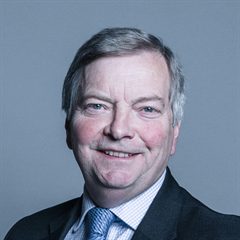 Lord TrueConservative
 Baroness TrumpingtonConservative
 Lord TugendhatConservative
 Baroness VermaConservative
 Lord Wade of ChorltonConservative
 Lord WeiConservative
 Baroness WilcoxConservative
 Lord Wolfson of SunningdaleConservative
 Viscount Younger of LeckieConservative
 Lord Alton of LiverpoolCrossbench
 Lord BownessCrossbench
 Lord BramallCrossbench
 Lord Carlile of BerriewCrossbench
 Lord CondonCrossbench
 Lord DannattCrossbench
 Lord DykesCrossbench
 Baroness Falkner of MargravineCrossbench
 Lord FowlerCrossbench
 Lord Green of HurstpierpointCrossbench
 Lord Guthrie of CraigiebankCrossbench
 Lord InglewoodCrossbench
 Lord Lloyd of BerwickCrossbench
 Lord LoombaCrossbench
Lord Macdonald of River GlavenCrossbench
 Lord Marshall of KnightsbridgeCrossbench
Lord Neill of BladenCrossbench
 Baroness NeubergerCrossbench
 Lord StirrupCrossbench
 Viscount WaverleyCrossbench
 Baroness WheatcroftCrossbench
Lord Maginnis of DrumglassIndependent Ulster Unionist
 Lord AddingtonLiberal Democrat
 Lord AlderdiceLiberal Democrat
 Lord Ashdown of Norton-sub-HamdonLiberal Democrat
 Lord AveburyLiberal Democrat
 Baroness BarkerLiberal Democrat
 Baroness BenjaminLiberal Democrat
Baroness Bonham-Carter of YarnburyLiberal Democrat
 Lord BradshawLiberal Democrat
Lord BurnettLiberal Democrat
 Lord ChidgeyLiberal Democrat
 Lord Clement-JonesLiberal Democrat
 Lord CotterLiberal Democrat
 Lord DholakiaLiberal Democrat
 Baroness DooceyLiberal Democrat
 Baroness Garden of FrognalLiberal Democrat
 Lord GermanLiberal Democrat
 The Earl of GlasgowLiberal Democrat
 Lord GoodhartLiberal Democrat
 Baroness HamweeLiberal Democrat
 Baroness Harris of RichmondLiberal Democrat
 Lord HussainLiberal Democrat
 Baroness Hussein-EceLiberal Democrat
 Baroness JollyLiberal Democrat
 Lord Jones of CheltenhamLiberal Democrat
 Lord Kirkwood of KirkhopeLiberal Democrat
 Baroness KramerLiberal Democrat
 Lord Lee of TraffordLiberal Democrat
 Baroness Linklater of ButterstoneLiberal Democrat
 Baroness MaddockLiberal Democrat
 The Earl of Mar and KellieLiberal Democrat
 Lord Marks of Henley-on-ThamesLiberal Democrat
 Lord McNallyLiberal Democrat
 Baroness Miller of Chilthorne DomerLiberal Democrat
 Lord NewbyLiberal Democrat
 Baroness NorthoverLiberal Democrat
 Lord Palmer of Childs HillLiberal Democrat
 Baroness ParminterLiberal Democrat
 Lord Phillips of SudburyLiberal Democrat
Lord RazzallLiberal Democrat
 Lord RennardLiberal Democrat
 Lord Roberts of LlandudnoLiberal Democrat
 Lord Rodgers of Quarry BankLiberal Democrat
 Baroness Scott of Needham MarketLiberal Democrat
 Lord SharkeyLiberal Democrat
 Baroness Sharp of GuildfordLiberal Democrat
 Lord ShipleyLiberal Democrat
 Lord Smith of CliftonLiberal Democrat
 Lord Stoneham of DroxfordLiberal Democrat
 Lord StoreyLiberal Democrat
 Lord StrasburgerLiberal Democrat
 Lord TaverneLiberal Democrat
 Lord TeversonLiberal Democrat
 Lord Thomas of GresfordLiberal Democrat
 Baroness Thomas of WalliswoodLiberal Democrat
 Baroness Thomas of WinchesterLiberal Democrat
 Lord TordoffLiberal Democrat
 Baroness Tyler of EnfieldLiberal Democrat
 Lord TylerLiberal Democrat
 Lord Vallance of TummelLiberal Democrat
 Lord Wallace of SaltaireLiberal Democrat
 Lord Wallace of TankernessLiberal Democrat
 Baroness WalmsleyLiberal Democrat
 Lord Watson of RichmondLiberal Democrat
 Baroness Williams of CrosbyLiberal Democrat
 Lord Willis of KnaresboroughLiberal Democrat
 Lord Forsyth of DrumleanLord Speaker
 Lord Boswell of AynhoNon-affiliated
 Lord FaulksNon-affiliated
 Lord NorthbrookNon-affiliated
Lord Oakeshott of Seagrove BayNon-affiliated
 Lord RedesdaleNon-affiliated
 The Earl of SelborneNon-affiliated
 Lord Steel of AikwoodNon-affiliated
 Baroness TongeNon-affiliated
 Baroness WarsiNon-affiliated
 Lord WassermanNon-affiliated
Tellers (4)
 Lord PatelCrossbench
 Lord Bassam of BrightonLabour
 Baroness Anelay of St JohnsConservative
 Lord Shutt of GreetlandLiberal Democrat
Source: the official Lords division record.