
Lords division · 14 Dec 2020 · No. 1
United Kingdom Internal Market Bill
Lord Hope of Craighead moved Motion A1, as an amendment to Motion A, at end to insert “but do propose Amendments 1F, 1G, 1H, 1J, 1K and 1L in lieu—Clause 101F Page 7, line 23, at end insert—“( ) The Secretary of State must by regulations under subsection (2) exclude the application of the United Kingdom market access principles to a statutory provision or requirement that gives effect to a decision to diverge from harmonised rules that has been agreed through the common frameworks process.”Clause 151G Page 9, line 27, at end insert—“( ) “Common frameworks process” means the process, established by the Joint Committee on European Negotiations, by which a measure of regulatory consistency to enable a functioning internal market within the United Kingdom may be mutually agreed between the United Kingdom and the devolved governments.”Clause 171H Page 12, line 42, at end insert—“( ) The Secretary of State must by regulations under subsection (2) add the services referred to in a statutory provision or requirement that gives effect to a decision to diverge from harmonised rules that has been agreed through the common frameworks process to the authorisation requirements in Part 3 of Schedule 2 or the list of regulatory requirements, as the case may be, to which section 18 (mutual recognition) or sections 19 and 20 (non-discrimination) do not apply.”Clause 211J Page 14, line 35, at end insert—“common frameworks process” means the process, established by the Joint Committee on European Negotiations, by which a measure of regulatory consistency to enable a functioning internal market within the United Kingdom may be mutually agreed between the United Kingdom and the devolved governments;”Clause 251K Page 19, line 24, at end insert—“( ) The Secretary of State must by regulations subject to the affirmative resolution procedure exclude the application of section 22(2) to a provision which has been agreed through the common frameworks process.”Clause 271L Page 21, line 19, at end insert—“common frameworks process” means the process, established by the Joint Committee on European Negotiations, by which a measure of regulatory consistency to enable a functioning internal market within the United Kingdom may be mutually agreed between the United Kingdom and the devolved governments;”The House divided:
The Contents have it
Majority 103
At a glance The Contents won by a margin of 103 votes. The Government's position was Not Content, and it lost.
How the parties voted
Contents
| Labour | 142 |
| Crossbench | 86 |
| Liberal Democrat | 78 |
| Non-affiliated | 18 |
| Conservative | 4 |
| Green Party | 2 |
| Plaid Cymru | 1 |
| Bishops | 1 |
Not Contents
| Conservative | 194 |
| Crossbench | 15 |
| Non-affiliated | 12 |
| Democratic Unionist Party | 5 |
| Labour | 2 |
| Lord Speaker | 1 |
The party breakdowns are our own analysis of the official voting records (recorded votes only; they do not describe the formal whip). How we work this out.
Peers attend divisions ad hoc, so there is no did-not-vote list. Tellers are counted in the Content and Not Content totals, unlike in the Commons.
Every vote
No members match your search.
Contents (332)
 The Lord Bishop of LeedsBishops
 Viscount HailshamConservative
Lord HeseltineConservative
 Lord Mackay of ClashfernConservative
 Baroness McIntosh of PickeringConservative
 Lord AberdareCrossbench
Lord AdebowaleCrossbench
 Lord Alton of LiverpoolCrossbench
 Lord Anderson of IpswichCrossbench
 Lord Berkeley of KnightonCrossbench
 Lord BestCrossbench
 Lord BichardCrossbench
 Baroness BoothroydCrossbench
 Lord BownessCrossbench
 Baroness BoycottCrossbench
 Lord BroersCrossbench
 Viscount BrookeboroughCrossbench
 Baroness Brown of CambridgeCrossbench
 Lord Brown of Eaton-under-HeywoodCrossbench
 Baroness BullCrossbench
 Baroness Butler-SlossCrossbench
 Lord Cameron of DillingtonCrossbench
 Baroness Campbell of SurbitonCrossbench
 Lord Carlile of BerriewCrossbench
 The Earl of ClancartyCrossbench
 Baroness Clark of CaltonCrossbench
 Viscount Colville of CulrossCrossbench
 The Earl of Cork and OrreryCrossbench
 Baroness CoussinsCrossbench
 Baroness CoxCrossbench
 Lord Craig of RadleyCrossbench
 Viscount CraigavonCrossbench
 Lord CrispCrossbench
 Lord CromwellCrossbench
 Baroness D'SouzaCrossbench
 Lord DesaiCrossbench
 Lord EamesCrossbench
 Baroness Finlay of LlandaffCrossbench
 Lord FreybergCrossbench
 Lord GeidtCrossbench
 Lord GrabinerCrossbench
 Lord Green of DeddingtonCrossbench
 Lord Green of HurstpierpointCrossbench
 Lord GreenwayCrossbench
 Baroness Grey-ThompsonCrossbench
 Lord Hannay of ChiswickCrossbench
 Lord Harries of PentregarthCrossbench
 Baroness HaymanCrossbench
 Baroness HoggCrossbench
 Baroness HollinsCrossbench
 Lord Hope of CraigheadCrossbench
 Baroness Hunt of Bethnal GreenCrossbench
 Lord InglewoodCrossbench
 Lord Jay of EwelmeCrossbench
 Lord JudgeCrossbench
 Lord Kerr of KinlochardCrossbench
 Lord KerslakeCrossbench
 Lord KrebsCrossbench
 Lord LisvaneCrossbench
 Lord Low of DalstonCrossbench
 The Earl of LyttonCrossbench
Lord Macdonald of River GlavenCrossbench
 Lord Macpherson of Earl's CourtCrossbench
 Lord MairCrossbench
 Baroness Masham of IltonCrossbench
 Lord MawsonCrossbench
 Baroness MeacherCrossbench
 Baroness MurphyCrossbench
Lord Neuberger of AbbotsburyCrossbench
 Baroness O'LoanCrossbench
 Baroness O'Neill of BengarveCrossbench
Lord PannickCrossbench
 Baroness PrasharCrossbench
 Lord RamsbothamCrossbench
 Lord RavensdaleCrossbench
 Lord Rees of LudlowCrossbench
 Lord RickettsCrossbench
 Lord Russell of LiverpoolCrossbench
 The Earl of SandwichCrossbench
 The Duke of SomersetCrossbench
 Lord St John of BletsoCrossbench
 Baroness SternCrossbench
 Lord Thomas of CwmgieddCrossbench
 Lord Vaux of HarrowdenCrossbench
 Lord Walker of AldringhamCrossbench
 Baroness Watkins of TavistockCrossbench
- The Duke of WellingtonCrossbench
 Lord Wilson of DintonCrossbench
 Lord WoolfCrossbench
Baroness WorthingtonCrossbench
 Baroness Young of HornseyCrossbench
 Baroness Bennett of Manor CastleGreen Party
 Baroness Jones of MoulsecoombGreen Party
 Lord AdonisLabour
 Lord Allen of KensingtonLabour
Lord AlliLabour
Baroness AmosLabour
 Lord Anderson of SwanseaLabour
 Baroness AndrewsLabour
 Baroness Armstrong of Hill TopLabour
 Baroness Ashton of UphollandLabour
 Lord BachLabour
Baroness BakewellLabour
 Lord BeechamLabour
 Lord BerkeleyLabour
 Baroness BillinghamLabour
 Baroness BlackstoneLabour
 Baroness BlowerLabour
 Lord BlunkettLabour
 Lord BoatengLabour
 Lord BradleyLabour
 Lord BraggLabour
 Lord Brooke of AlverthorpeLabour
 Lord Browne of LadytonLabour
 Baroness Bryan of PartickLabour
 Lord Campbell-SavoursLabour
 Baroness ChakrabartiLabour
 Viscount ChandosLabour
 Baroness Clark of KilwinningLabour
 Lord Clark of WindermereLabour
 Baroness Cohen of PimlicoLabour
 Lord Collins of HighburyLabour
 Baroness CorstonLabour
 Baroness CrawleyLabour
 Lord Cunningham of FellingLabour
 Lord Davidson of Glen ClovaLabour
 Lord Davies of BrixtonLabour
 Lord Davies of StamfordLabour
 Baroness DonaghyLabour
 Baroness DrakeLabour
 Lord DubsLabour
 Lord EatwellLabour
 Lord ElderLabour
 Lord Falconer of ThorotonLabour
 Lord Faulkner of WorcesterLabour
 Lord FilkinLabour
 Lord Foulkes of CumnockLabour
 Baroness GaleLabour
 Baroness GoldingLabour
 Lord GoldsmithLabour
 Baroness GoudieLabour
 Lord GrantchesterLabour
 Lord Griffiths of Burry PortLabour
 Lord GrocottLabour
 Lord HainLabour
 Viscount HanworthLabour
 Lord Harris of HaringeyLabour
 Lord HaskelLabour
 Baroness Hayman of UllockLabour
 Baroness Hayter of Kentish TownLabour
 Baroness Healy of Primrose HillLabour
 Baroness HenigLabour
 Lord Howarth of NewportLabour
 Baroness Hughes of StretfordLabour
 Lord Hunt of Kings HeathLabour
Lord Hutton of FurnessLabour
 Baroness Jay of PaddingtonLabour
 Baroness Jones of WhitchurchLabour
 Lord JonesLabour
 Lord JuddLabour
 Baroness Kennedy of CradleyLabour
 Lord Kennedy of SouthwarkLabour
Baroness KingsmillLabour
 Lord Knight of WeymouthLabour
 Baroness Lawrence of ClarendonLabour
Lord LayardLabour
 Lord LeitchLabour
 Lord LennieLabour
 Lord LevyLabour
 Baroness Liddell of CoatdykeLabour
 Lord LiddleLabour
 Lord LipseyLabour
 Baroness Lister of BurtersettLabour
 Lord MacKenzie of CulkeinLabour
 Baroness MallalieuLabour
 Baroness Massey of DarwenLabour
 Lord MaxtonLabour
 Lord McAvoyLabour
 Lord McConnell of GlenscorrodaleLabour
 Baroness McDonaghLabour
 Baroness McIntosh of HudnallLabour
 Lord McKenzie of LutonLabour
 Lord McNicol of West KilbrideLabour
Lord MendelsohnLabour
 Lord MitchellLabour
 Lord MonksLabour
 Baroness Morgan of DrefelinLabour
 Baroness Morgan of HuytonLabour
 Lord Morris of AberavonLabour
 Baroness Morris of YardleyLabour
 Lord Murphy of TorfaenLabour
 Baroness NyeLabour
 Baroness OsamorLabour
 Lord PendryLabour
 Baroness PitkeathleyLabour
 Lord PrescottLabour
 Baroness PrimaroloLabour
 Lord PuttnamLabour
 Baroness QuinLabour
 Baroness Ramsay of CartvaleLabour
 Baroness RebuckLabour
 Lord Reid of CardowanLabour
 Baroness Ritchie of DownpatrickLabour
 Lord Robertson of Port EllenLabour
 Lord RookerLabour
 Lord RosserLabour
Lord RowlandsLabour
 Baroness Royall of BlaisdonLabour
 Baroness SherlockLabour
 Lord SikkaLabour
 Viscount SimonLabour
 Baroness Smith of BasildonLabour
 Lord Smith of FinsburyLabour
 Baroness Smith of GilmorehillLabour
 Lord SnapeLabour
 Lord Stevenson of BalmacaraLabour
 Baroness Taylor of BoltonLabour
 Baroness ThorntonLabour
 Lord TouhigLabour
 Lord TriesmanLabour
 Lord TunnicliffeLabour
 Lord TurnbergLabour
 Baroness Warwick of UndercliffeLabour
 Lord Watson of InvergowrieLabour
 Lord WattsLabour
 Lord West of SpitheadLabour
 Baroness WheelerLabour
 Baroness WhitakerLabour
 Lord WhittyLabour
 Baroness Wilcox of NewportLabour
 Lord WillsLabour
Lord WinstonLabour
 Lord Wood of AnfieldLabour
 Lord WoodleyLabour
 Lord Young of Norwood GreenLabour
 Lord AddingtonLiberal Democrat
 Lord AlderdiceLiberal Democrat
 Lord AllianceLiberal Democrat
 Baroness Bakewell of Hardington MandevilleLiberal Democrat
 Baroness BarkerLiberal Democrat
 Lord BeithLiberal Democrat
 Baroness BenjaminLiberal Democrat
Baroness Bonham-Carter of YarnburyLiberal Democrat
 Baroness Bowles of BerkhamstedLiberal Democrat
 Lord BradshawLiberal Democrat
 Baroness BrintonLiberal Democrat
Lord BurnettLiberal Democrat
 Baroness Burt of SolihullLiberal Democrat
 Lord Campbell of PittenweemLiberal Democrat
 Lord ChidgeyLiberal Democrat
 Lord Clement-JonesLiberal Democrat
 Lord CotterLiberal Democrat
 Lord DholakiaLiberal Democrat
 Baroness DooceyLiberal Democrat
 Baroness FeatherstoneLiberal Democrat
 Lord Foster of BathLiberal Democrat
 Lord FoxLiberal Democrat
 Baroness Garden of FrognalLiberal Democrat
 Lord GermanLiberal Democrat
 The Earl of GlasgowLiberal Democrat
 Lord Goddard of StockportLiberal Democrat
 Lord GreavesLiberal Democrat
 Baroness GrenderLiberal Democrat
 Baroness HamweeLiberal Democrat
 Baroness Harris of RichmondLiberal Democrat
 Baroness HumphreysLiberal Democrat
 Lord HussainLiberal Democrat
 Baroness Hussein-EceLiberal Democrat
 Baroness JankeLiberal Democrat
 Baroness JollyLiberal Democrat
 Lord Jones of CheltenhamLiberal Democrat
 Baroness KramerLiberal Democrat
 Lord Lee of TraffordLiberal Democrat
 Baroness LudfordLiberal Democrat
 Lord McNallyLiberal Democrat
 Baroness Miller of Chilthorne DomerLiberal Democrat
 Lord NewbyLiberal Democrat
 Baroness NorthoverLiberal Democrat
 Lord Palmer of Childs HillLiberal Democrat
 Baroness ParminterLiberal Democrat
 Baroness PinnockLiberal Democrat
 Lord Purvis of TweedLiberal Democrat
 Baroness RandersonLiberal Democrat
Lord RazzallLiberal Democrat
 Lord RennardLiberal Democrat
 Lord Roberts of LlandudnoLiberal Democrat
 Baroness Scott of Needham MarketLiberal Democrat
 Lord ScrivenLiberal Democrat
 Lord SharkeyLiberal Democrat
 Baroness SheehanLiberal Democrat
 Lord ShipleyLiberal Democrat
 Baroness Smith of NewnhamLiberal Democrat
Lord StephenLiberal Democrat
 Lord Stoneham of DroxfordLiberal Democrat
 Lord StoreyLiberal Democrat
 Lord StrasburgerLiberal Democrat
 Lord StunellLiberal Democrat
 Baroness SuttieLiberal Democrat
 Lord TaverneLiberal Democrat
 Lord Taylor of Goss MoorLiberal Democrat
 Lord TeversonLiberal Democrat
 Lord Thomas of GresfordLiberal Democrat
 Baroness Thomas of WinchesterLiberal Democrat
 Baroness ThornhillLiberal Democrat
 Viscount ThursoLiberal Democrat
 Lord TopeLiberal Democrat
 Baroness Tyler of EnfieldLiberal Democrat
 Lord TylerLiberal Democrat
 Lord Wallace of SaltaireLiberal Democrat
 Lord Wallace of TankernessLiberal Democrat
 Baroness WalmsleyLiberal Democrat
 Lord Willis of KnaresboroughLiberal Democrat
 Lord WrigglesworthLiberal Democrat
 Lord Allan of HallamNon-affiliated
 Baroness AltmannNon-affiliated
 Lord BhatiaNon-affiliated
Lord BrennanNon-affiliated
 Lord CashmanNon-affiliated
Lord Cooper of WindrushNon-affiliated
 Lord Lea of CrondallNon-affiliated
 Lord Mackenzie of FramwellgateNon-affiliated
 Lord MandelsonNon-affiliated
 Lord PaddickNon-affiliated
 Lord Patel of BradfordNon-affiliated
 Lord Ponsonby of ShulbredeNon-affiliated
 Lord RedesdaleNon-affiliated
 Lord Stone of BlackheathNon-affiliated
 Baroness TongeNon-affiliated
 Lord TruscottNon-affiliated
 Baroness UddinNon-affiliated
 Baroness WarsiNon-affiliated
Lord WigleyPlaid Cymru
Not Contents (229)
 Lord Agnew of OultonConservative
 Lord Ahmad of WimbledonConservative
 Baroness Anelay of St JohnsConservative
 The Earl of ArranConservative
 Lord Astor of HeverConservative
 Lord Baker of DorkingConservative
 Lord BalfeConservative
 Baroness BarranConservative
 Lord BatesConservative
 Lord BellinghamConservative
 Baroness BerridgeConservative
 Baroness BertinConservative
 Lord BethellConservative
 Lord BlackwellConservative
 Baroness Blackwood of North OxfordConservative
 Lord BlencathraConservative
 Baroness Bloomfield of Hinton WaldristConservative
 Lord BorwickConservative
 Baroness Bottomley of NettlestoneConservative
 Lord Bourne of AberystwythConservative
 Lord Brabazon of TaraConservative
 Baroness BradyConservative
 Viscount BridgemanConservative
 Lord Bridges of HeadleyConservative
 Baroness BrowningConservative
 Lord Brownlow of Shurlock RowConservative
 Baroness BuscombeConservative
 Lord CaineConservative
 The Earl of CaithnessConservative
 Lord CallananConservative
 Lord Carrington of FulhamConservative
 Earl CathcartConservative
 Lord Cavendish of FurnessConservative
 Lord ChadlingtonConservative
 Baroness Chalker of WallaseyConservative
 Lord ChoudreyConservative
 Lord CoeConservative
 Lord ColgrainConservative
 Lord ColwynConservative
 The Earl of CourtownConservative
 Baroness CouttieConservative
 Lord CrathorneConservative
 Baroness CumberlegeConservative
 Lord Davies of GowerConservative
 Lord De MauleyConservative
Lord DeightonConservative
 Lord DobbsConservative
 Lord Duncan of SpringbankConservative
 Baroness EatonConservative
 Baroness Eccles of MoultonConservative
 Viscount EcclesConservative
 Baroness Evans of Bowes ParkConservative
 Lord Fairfax of CameronConservative
 Baroness FallConservative
 Lord FarmerConservative
 Lord Fellowes of West StaffordConservative
 Lord FinkConservative
 Baroness FleetConservative
 Lord FlightConservative
 Baroness FookesConservative
 Lord FramlinghamConservative
 Lord FreudConservative
Baroness FullbrookConservative
 Lord Gardiner of KimbleConservative
 Baroness Gardner of ParkesConservative
 Lord GeddesConservative
 Lord Gilbert of PantegConservative
 Lord GlenarthurConservative
 Baroness GoldieConservative
 Lord Goldsmith of Richmond ParkConservative
 Lord GoodladConservative
 Viscount GoschenConservative
 Lord Grade of YarmouthConservative
 Lord GreenhalghConservative
Lord Griffiths of FforestfachConservative
 Lord Grimstone of BoscobelConservative
Lord Hague of RichmondConservative
 Lord Hamilton of EpsomConservative
 Lord Hammond of RunnymedeConservative
 Lord HaselhurstConservative
 Lord HaywardConservative
 Baroness HelicConservative
 Lord HenleyConservative
 Lord Herbert of South DownsConservative
Lord Hill of OarefordConservative
 Baroness Hodgson of AbingerConservative
 Lord Holmes of RichmondConservative
 Baroness HooperConservative
 Lord HoramConservative
 Lord Howard of LympneConservative
Lord Howard of RisingConservative
 Earl HoweConservative
 Lord Howell of GuildfordConservative
 Lord Hunt of WirralConservative
 Baroness Jenkin of KenningtonConservative
Lord JoplingConservative
 Lord Keen of ElieConservative
 Lord King of BridgwaterConservative
Lord KirkhamConservative
 Lord Kirkhope of HarrogateConservative
 Lord Lamont of LerwickConservative
 Lord Lang of MonktonConservative
 Lord LansleyConservative
 Lord Leigh of HurleyConservative
 Lord LexdenConservative
 Lord LilleyConservative
 The Earl of LindsayConservative
 Lord LingfieldConservative
 The Earl of LiverpoolConservative
 Lord LucasConservative
 Lord MancroftConservative
 Baroness ManzoorConservative
 Lord MarlandConservative
 Lord MarlesfordConservative
 Lord Maude of HorshamConservative
 Lord McColl of DulwichConservative
Lord McInnes of KilwinningConservative
 Lord McLoughlinConservative
 Lord MendozaConservative
 Baroness MeyerConservative
 The Duke of MontroseConservative
 Baroness Morris of BoltonConservative
 Baroness MorrisseyConservative
 Lord MoylanConservative
 Lord MoynihanConservative
Lord NashConservative
 Baroness Neville-JonesConservative
 Baroness Neville-RolfeConservative
 Baroness NewloveConservative
 Baroness Nicholson of WinterbourneConservative
Baroness NoakesConservative
 Lord Norton of LouthConservative
 Lord O'ShaughnessyConservative
 Lord Parkinson of Whitley BayConservative
Lord PattenConservative
 Baroness PennConservative
 Lord PicklesConservative
 Baroness PiddingConservative
 Lord PolakConservative
 Lord PopatConservative
 Lord RanaConservative
 Lord Randall of UxbridgeConservative
 Lord RangerConservative
Baroness RawlingsConservative
 Lord ReayConservative
 Baroness RedfernConservative
 Lord Renfrew of KaimsthornConservative
 Viscount RidleyConservative
 Lord RobathanConservative
 Baroness RockConservative
Lord Rose of MonewdenConservative
 Baroness Sanderson of WeltonConservative
 Lord SarfrazConservative
 Lord SassoonConservative
Baroness SaterConservative
 Baroness Scott of BybrookConservative
 Baroness SeccombeConservative
 Lord Selkirk of DouglasConservative
 Baroness Shackleton of BelgraviaConservative
 Lord Sharpe of EpsomConservative
 Lord SheikhConservative
 Lord Sherbourne of DidsburyConservative
 Baroness ShieldsConservative
 Lord ShinkwinConservative
 The Earl of ShrewsburyConservative
 Lord Smith of HindheadConservative
 Baroness Stedman-ScottConservative
 Lord Sterling of PlaistowConservative
 Lord Stewart of DirletonConservative
 Baroness Stowell of BeestonConservative
 Lord StrathclydeConservative
Baroness StroudConservative
 Baroness SuggConservative
 Lord SuriConservative
 Lord Taylor of HolbeachConservative
 Lord TebbitConservative
 Viscount TrenchardConservative
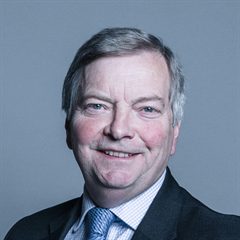 Lord TrueConservative
 Lord TugendhatConservative
 Viscount UllswaterConservative
 Lord Vaizey of DidcotConservative
 Baroness Vere of NorbitonConservative
 Baroness VermaConservative
 Lord VinsonConservative
 Lord WakehamConservative
 Lord Waldegrave of North HillConservative
 Lord WeiConservative
 Lord Wharton of YarmConservative
Lord WhitbyConservative
 Lord WillettsConservative
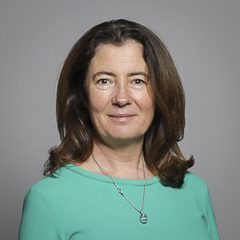 Baroness Williams of TraffordConservative
 Baroness WyldConservative
 Lord Young of CookhamConservative
 Viscount Younger of LeckieConservative
 Lord Ashton of HydeCrossbench
 Lord Butler of BrockwellCrossbench
Lord Carey of CliftonCrossbench
 Lord CarringtonCrossbench
 Baroness DeechCrossbench
 The Earl of ErrollCrossbench
 Baroness Falkner of MargravineCrossbench
 Lord KakkarCrossbench
 Lord KilclooneyCrossbench
 Lord LamingCrossbench
 Lord Livingston of ParkheadCrossbench
 Lord Powell of BayswaterCrossbench
 Baroness Stuart of EdgbastonCrossbench
 Lord WalneyCrossbench
 Baroness WheatcroftCrossbench
 Lord Browne of BelmontDemocratic Unionist Party
 Lord Dodds of DuncairnDemocratic Unionist Party
 Lord Hay of BallyoreDemocratic Unionist Party
 Lord McCrea of Magherafelt and CookstownDemocratic Unionist Party
 Lord MorrowDemocratic Unionist Party
 Lord HendyLabour
 Lord MannLabour
 Lord Forsyth of DrumleanLord Speaker
 Lord BarwellNon-affiliated
 Baroness Chisholm of OwlpenNon-affiliated
 Lord Evans of WatfordNon-affiliated
 Lord FaulksNon-affiliated
 Baroness Fox of BuckleyNon-affiliated
 Lord GadhiaNon-affiliated
 Baroness HoeyNon-affiliated
 Lord Lancaster of KimboltonNon-affiliated
 Baroness McGregor-SmithNon-affiliated
 Baroness Morgan of CotesNon-affiliated
 Lord Taylor of WarwickNon-affiliated
 Lord TyrieNon-affiliated
Source: the official Lords division record.